







Search Results for: Immersion Brewer
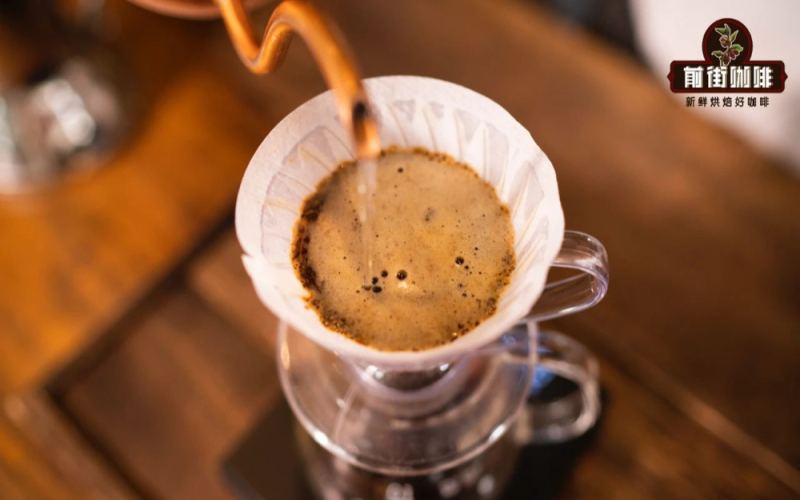
A Complete Analysis of the Brewing Differences Between Siphon and French Press: Extraction Principles, Taste Performance, and Buying Considerations
Front Street Coffee has introduced many coffee brewing methods in its daily posts. Among them, the French press is known for being easy to operate, while the siphon is often seen as daunting to beginners due to its complicated steps and strong sense of ritual. Although both are classified as immersion brewing, the coffee they actually produce differs noticeably in body, cleanliness, and flavor layering. Drawing on Front Street's hands-on experience, this article first explains the French press's structure, method of use, and parameter control, then explains how the siphon relies on thermal expansion and contraction to push hot water upward for constant-temperature immersion extraction, and finally compares the two in terms of taste and suitable scenarios, helping coffee enthusiasts make a choice based on their own needs. [more…]
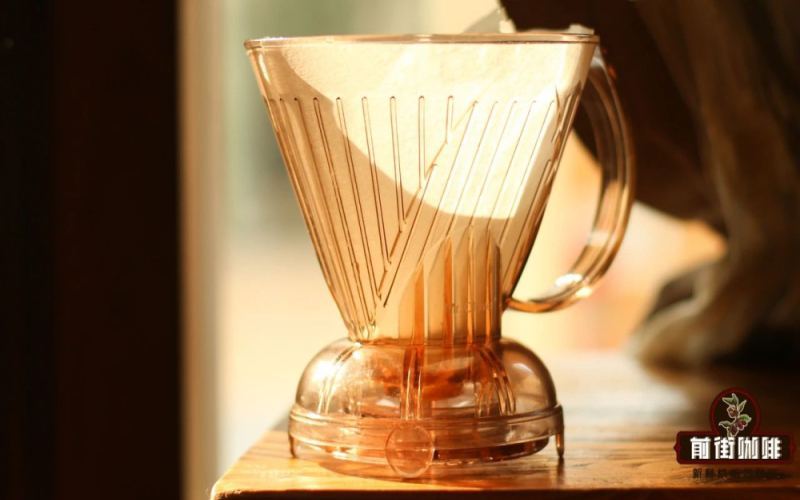
Clever Cup Pour-Over Coffee Beginner Tutorial: A Complete Guide to the Brewer's Principles, Brewing Parameters, and Step-by-Step Instructions
The Clever Cup is an ideal choice for many coffee beginners, combining the functions of both a dripper and an immersion brewer, with a low barrier to entry and consistent results. From the perspective of Front Street Coffee, this article systematically introduces the origins and naming of the Clever Cup, its core structure and working principle, and, using the Strawberry Candy Geisha Blend as an example, shares brewing parameters such as coffee dose, coffee-to-water ratio, water temperature, and grind size, along with the specific brewing process, helping coffee enthusiasts easily master the techniques for using this device and brew a full-flavored, clean-tasting cup of good coffee at home. [more…]
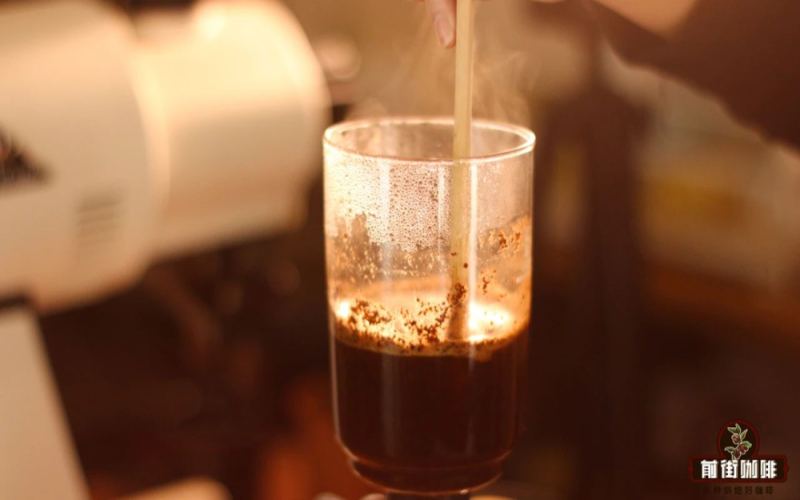
What coffee is a siphon brewer suitable for? Extraction and filtration differences determine the taste and flavor.
The siphon coffee maker, with its experiment-like brewing process, has become the tool of choice for many coffee enthusiasts just starting out. However, to brew a good cup of coffee with a siphon, mastering the operating techniques is only part of the story—choosing the right coffee beans is equally crucial. What kind of coffee is the siphon suitable for brewing? How exactly does it differ from the pour-over coffee commonly seen in cafés in terms of extraction method and filtration method? And how do these differences affect the final taste and flavor? In this article, Front Street Coffee will analyze the two aspects of extraction method and filtration system, guiding you to understand the reasons behind siphon coffee's rich, full-bodied, and intensely aromatic character, while comparing it with pour-over coffee's clean, bright, and well-layered traits, helping you better understand both brewing methods and find the cup that suits you. [more…]

Which coffee beans pair well with the AeroPress? A full breakdown from the brewer's mechanics to Front Street Coffee's bean lineup and practical parameters
The AeroPress combines immersion, paper filtration, and pressure extraction into one device. It has a low barrier to entry and produces a clean cup, making it a very friendly brewing tool for both home and travel. This article first outlines the structure of the AeroPress and its advantages, then, taking into account its relatively fast extraction pace, suggests directions for suitable coffee beans, including Front Street Strawberry Candy, Front Street Brazil Queen's Estate, and Front Street PWN Golden Mandheling. It then uses the sweetness-forward Front Street Costa Rica Mozart as an example to give a complete demonstration of the inverted AeroPress method, including dose, grind, coffee-to-water ratio, water temperature, and a six-step operating process, to help you reliably reproduce a rich coffee interwoven with floral notes, berries, and chocolate. [more…]
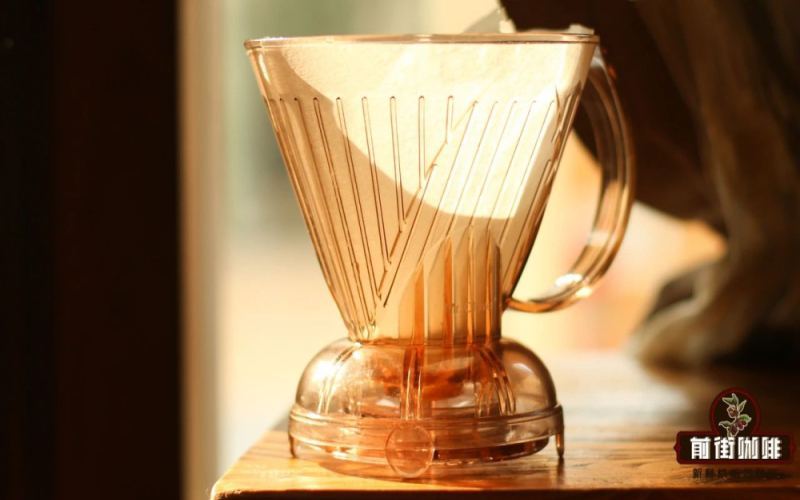
A Detailed Guide to the Immersion Brewing Time and Steps for the Clever Dripper, Plus a Discussion of Its Key Differences from Standard Pour-Over Cones
The Clever Cup, with its unique piston valve design, combines both immersion and filtration functions in coffee extraction, making it a practical tool for many coffee enthusiasts. This article provides a detailed breakdown of the complete operating procedure for the Clever Cup, including key parameters such as water temperature control, blooming time, and the rhythm of staged pouring, and compares its structural and usage logic differences with conventional drippers. Whether you are a beginner just getting to know the Clever Cup or a seasoned brewer looking to optimize your extraction approach, you will find clear, followable step-by-step references here. The article also incorporates practical advice from Front Street Coffee to help you more consistently reproduce a cup of well-balanced coffee. [more…]
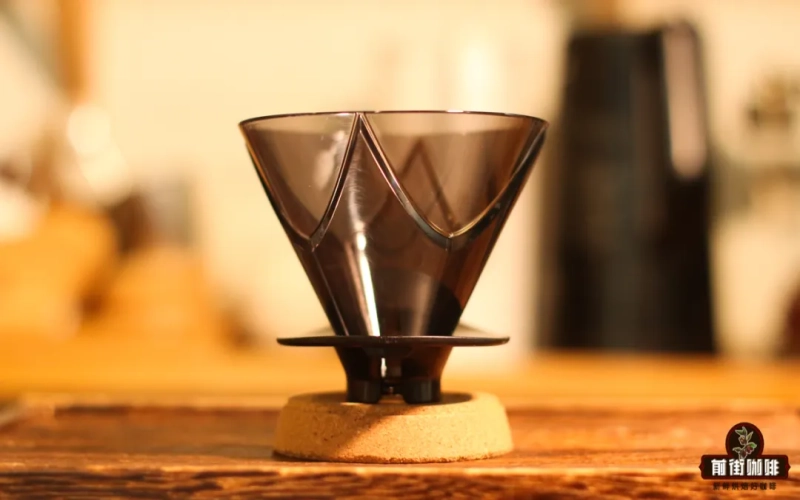
Why is the Hario V60 Infinite Cross Star Dripper called the Coffee Clever Cup? Key Points for Beginners Choosing a Dripper
Among the many pour-over drippers, the Hario Mugen dripper stands out with its unique inner wall design, and has even earned the nickname "the Clever Dripper of drippers." It shares the same lineage as the classic V60, yet takes a completely different extraction path—the V60 is known for its extreme flow rate, while the Mugen dripper goes the opposite way, using a ribless structure to create an extremely slow flow rate, keeping the coffee in a state of immersion throughout. How exactly does this design affect flavor? Why is it easier for beginners to master? This article will break down the structural principles of the Mugen cross-star dripper, its flow rate performance, and its similarities and differences with the Clever Dripper, while also offering practical dripper selection advice for those just getting started. [more…]

French Press vs. Moka Pot: Which Brewer Suits You Better? Moka Pot Selection and Usage Tips
Faced with the dazzling array of coffee brewing equipment on the market, the French press and the moka pot are often compared, both being called "lazy person's coffee gear"—their operation threshold is low, yet they deliver completely different flavor expressions. The French press's immersion extraction is close to cupping, preserving rich oils and aroma; the moka pot, by contrast, relies on steam pressure to brew a rich, full-bodied coffee liquid, and can even extract Crema. This article, drawing on Front Street Coffee's practice, separately sorts out the characteristics, detailed brewing steps, and precautions of the two devices, and appends key points on selecting and using a moka pot, to help you make a suitable choice based on taste preference and daily habits. [more…]
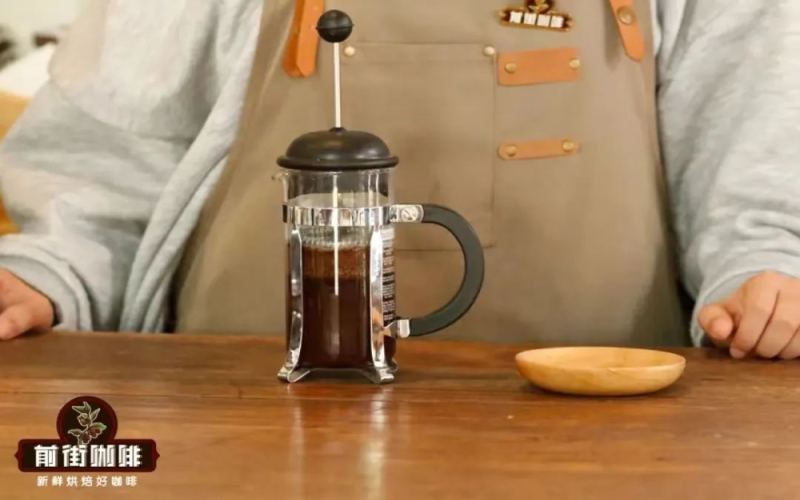
How Does Brewing Yirgacheffe in a French Press Taste? Front Street Coffee Beans Hands-On Demonstration and Analysis of Six Types of Home Coffee Brewing Methods
To easily make a cup of rich, full-bodied coffee at home, the French press is an essential entry-level tool. By fully immersing the coffee and separating it with a metal filter, it retains almost all the extractable flavor compounds, resulting in a fuller mouthfeel than paper-filter pour-over. This article first systematically outlines the principles and characteristics of six common brewing devices: the drip brewer, American electric coffee maker, French press, siphon, moka pot, and espresso machine. Then, using a light-to-medium roasted Yirgacheffe from a high-altitude Ethiopian region as an example, it provides specific French press parameters for Front Street Coffee beans, along with water-pouring and stirring techniques, and describes the floral notes, citrus acidity, creamy sucrose sweetness, and black tea finish presented in the final cup. [more…]
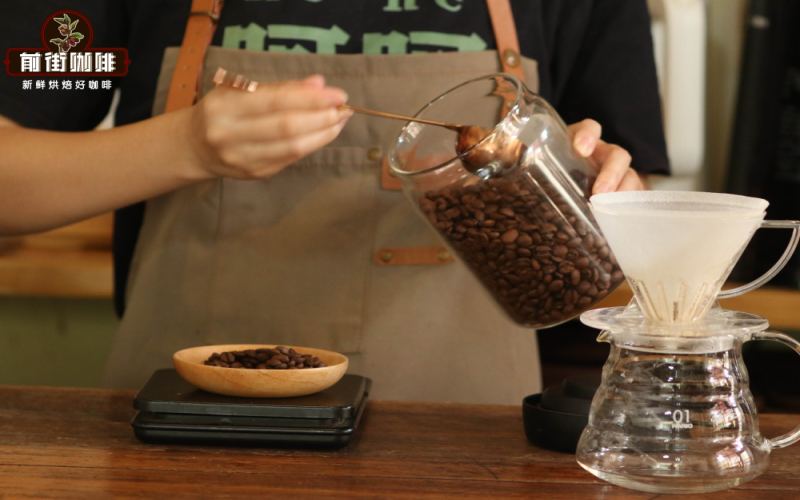
Comparative Analysis of the Extraction Principles and Flavor Profiles of Siphon and Pour-Over Brewers
Pour-over and siphon are two common specialty coffee brewing methods. Although both can express a coffee's terroir, their different extraction principles and filtration media mean the final cup emphasizes different aspects of taste. This article systematically compares siphon and pour-over brewers, from their historical origins and brewing principles to operating parameters and actual tasting. Pour-over uses paper filtration, giving a clean flavor with rich layers; siphon relies mainly on immersion and flannel filtration, producing a full-bodied, balanced taste. The article also uses Front Street Yemen Mocha brewed both ways, with specific parameters and flavor descriptions, to help coffee lovers more intuitively understand the differences between the two and find a brewing style that suits them. [more…]

Can Brewing Coffee with a Clay Pot Really Reduce Bitterness? The Principle and Practical Guide to Japan's Tokoname-ware Dripper
Many coffee enthusiasts buy all the equipment only to find cleaning a hassle, and the gear gradually gathers dust. A company under Amazon Japan has launched a product that looks like a teapot but is actually a coffee brewer, with an extremely minimalist structure—just a high-density filter added at the spout. Its body uses the thousand-year-old Tokoname-yaki craft, firing iron-rich clay unglazed, preserving its porous absorbency, which can adsorb the compounds in coffee that cause off-flavors. The bitterness of coffee mainly comes from chlorogenic acid lactones and phenylindanes, and the clay pot's structure can effectively reduce these unpleasant flavors. Using immersion extraction, by controlling water temperature and the coffee-to-water ratio, you can get a clean, full-bodied cup of coffee in 2-3 minutes. This article explains its principles and key operating points in detail. [more…]
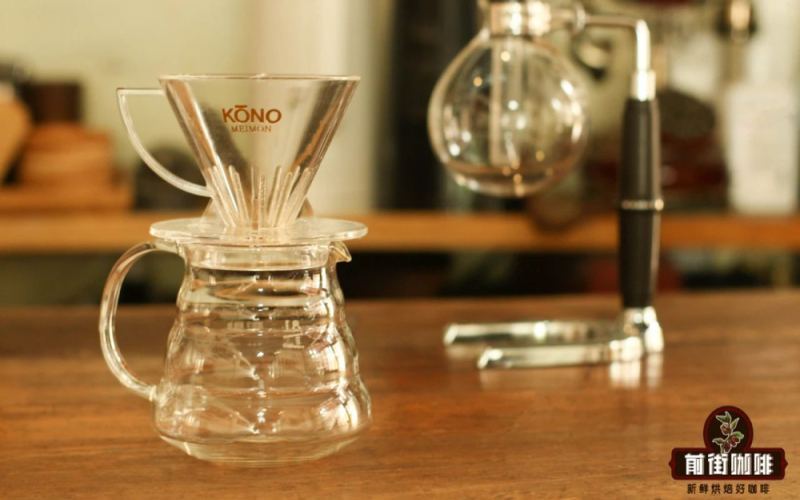
Siphon Brewing Comparison: How Stirring and Immersion Methods Affect Coffee Flavor and Extraction Rhythm
There is more than one way to extract with a siphon brewer. With the same set of equipment, switching your approach to stirring or steeping will steer the flavor in the cup in a different direction. This article starts from Front Street Coffee's brewing experiments, using the Costa Rica Canet Estate Mozart, a raisin honey-processed bean, to compare the stirring method and the steeping method. In the stirring method, a cross-shaped stir is performed 30 seconds after the coffee grounds contact the water to break the crust, the heat is removed at 56 seconds, and the total extraction time is 1 minute 8 seconds; in the steeping method, the coffee grounds are left to sit for 1 minute before the heat is removed, and the total extraction time is 1 minute 32 seconds. The two approaches each emphasize different aspects of aroma, mouthfeel, and sweet-tart expression, suiting different taste preferences. The article also covers the working principle of the siphon brewer, parameter suggestions, and key points for maintaining the cloth filter, helping coffee enthusiasts brew a cup of rich, full-bodied, aromatic coffee more consistently. [more…]
Hario V60 vs Chemex Coffee Brewer Comparison: Extraction Principles, Design Features, and Brewing Method Recommendations
In the world of specialty coffee, the Hario V60 and the Chemex are two highly representative pour-over brewing devices. Although both fall under the drip category, their design philosophies and extraction logic are vastly different. With its 60-degree cone angle and spiral rib structure, the V60 gives brewers enormous room for adjustment, making it ideal for veterans chasing flavor complexity; the Chemex, by contrast, draws inspiration from laboratory glassware and, paired with its thicker filters, allows even beginners to easily achieve a clean, translucent cup. This article breaks down the differences between these two classic devices in detail—from their construction and extraction variables to flavor tendencies—and includes concise brewing recommendations to help you choose based on your own needs. Whether you prefer bright and crisp or rich and balanced, you'll find direction here. [more…]
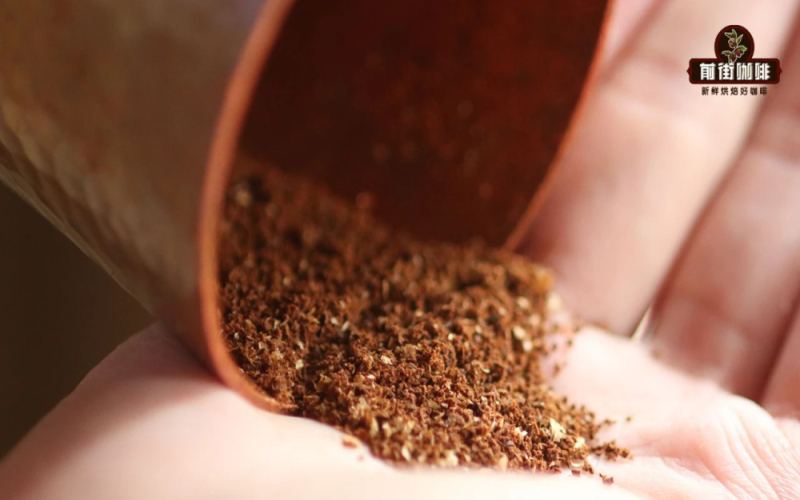
How Does Grind Size Affect Flavor in Pour-Over Coffee? A Full Breakdown of Cupping and Brewer Reference Standards
Among the many variables in pour-over coffee, grind size is one of the core factors determining extraction efficiency and the final flavor. The coarseness of the coffee grounds not only changes the speed at which water penetrates the coffee bed, but also directly affects the coffee's strength, body, and the balance of acidity, sweetness, and bitterness. In this article, Front Street Coffee systematically sorts out the mechanisms by which grind coarseness affects extraction, and provides reference grind standards for different brewing methods such as cupping, pour-over, French press, espresso, moka pot, and cold brew/ice drip. It also introduces the calibration method using the No. 20 sieve pass rate, helping coffee enthusiasts find grind parameters that suit them. [more…]
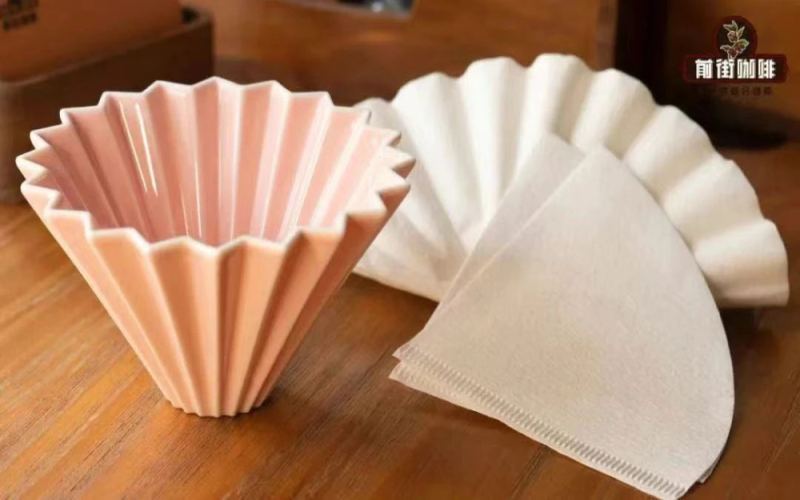
The Diverse Uses of Filter Paper in Coffee Brewing: An Analysis of Filtration Needs for Cold Brew, Ice Drip, Espresso, and Moka Pot
Can filter paper only be used for pour-over? In fact, in cold brew, ice drip, espresso, and even moka pot brewing, filter paper also plays an important role, just with different functions emphasized. This article compiles the practical experience of Front Street Coffee and explains one by one the specific uses of filter paper in different extraction methods: why cold brew needs secondary filtration, what roles the upper and lower filter papers in an ice drip brewer each play, what changes adding filter paper above the puck or at the bottom of the portafilter basket brings to espresso, whether a moka pot should use filter paper, and the correct approach to using filter paper to filter coffee grounds. Whether you are just starting out or want to refine your technique, you can find practical reference solutions here. [more…]
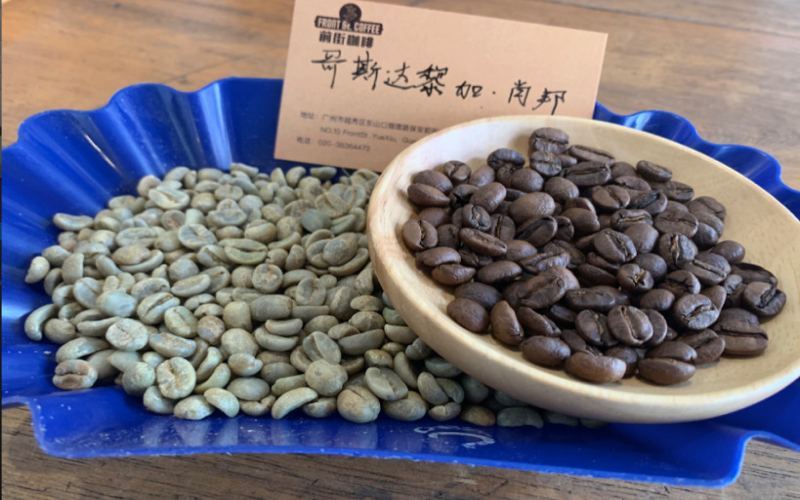
Costa Rica Canet Estate Chopin Coffee: Four Pour-Over Brewer Methods and Flavor Comparison
Front Street Coffee has recently added Chopin coffee beans from Costa Rica's Canet Estate to its lineup. After joining the Musician Series, this bean has drawn attention for its prominent rose aroma and sweetness in cupping. To investigate how different brewing devices affect the flavor expression of this bean, Front Street Coffee conducted four comparative brews using the Hario V60, Ice Eye dripper, Strawberry dripper, and Origami dripper. This article focuses on the structural characteristics of these four drippers, the parameters and brewing techniques used for each, and the resulting differences in aroma, acidity, sweetness, and finish, helping coffee enthusiasts find an extraction approach better suited to their own taste. [more…]
Panama Elida ASD Anaerobic Low-Temperature Slow Natural Geisha: Four Pour-Over Brewer Methods and Flavor Comparison
Front Street recently acquired a Geisha coffee bean from Elida Estate in Panama, processed using the NATURAL-ASD anaerobic fermentation low-temperature slow sun-drying method—the same process used for this year's Panama BOP champion Geisha in the processing category. After the beans were properly rested, we tested brewing with a hollow filter cup, Ice Eye filter cup, cake filter cup, and diamond filter cup, standardizing the parameters to 15 grams of coffee, medium-fine grind, 90°C water temperature, and a 1:15 coffee-to-water ratio, recording the extraction time and flavor performance for each filter cup. Elida Estate is renowned for its sun-dried processing, and this ASD Geisha shines in fermentation aroma, juicy mouthfeel, and layered tea-like notes. Below, we share four specific brewing recipes and comparison results for coffee enthusiasts' reference. [more…]
Filter extraction vs. immersion extraction: how to choose? Determining which brewing system suits a coffee bean based on the rate of flavor release.
The same coffee beans, brewed with a different extraction device, can taste completely different in the cup. Coffee extraction paths can be broadly grouped into two types: percolation and immersion. The most fundamental difference between them lies in the speed at which flavor compounds diffuse into the water. In percolation, because fresh water is continuously poured in and the coffee liquid is drained away, the concentration gradient is large and extraction is fast, which easily amplifies the beans' distinctive aromas. In immersion, the coffee grounds sit still in hot water, so the concentration gradient gradually shrinks and diffusion slows down, allowing the coffee's original character to be presented in a more balanced and complete way. Starting from the principles and combined with an analysis of flavor dissolution concentration, this article will help you judge whether the beans in your hands are better suited to pour-over or siphon, and offer specific selection advice. [more…]
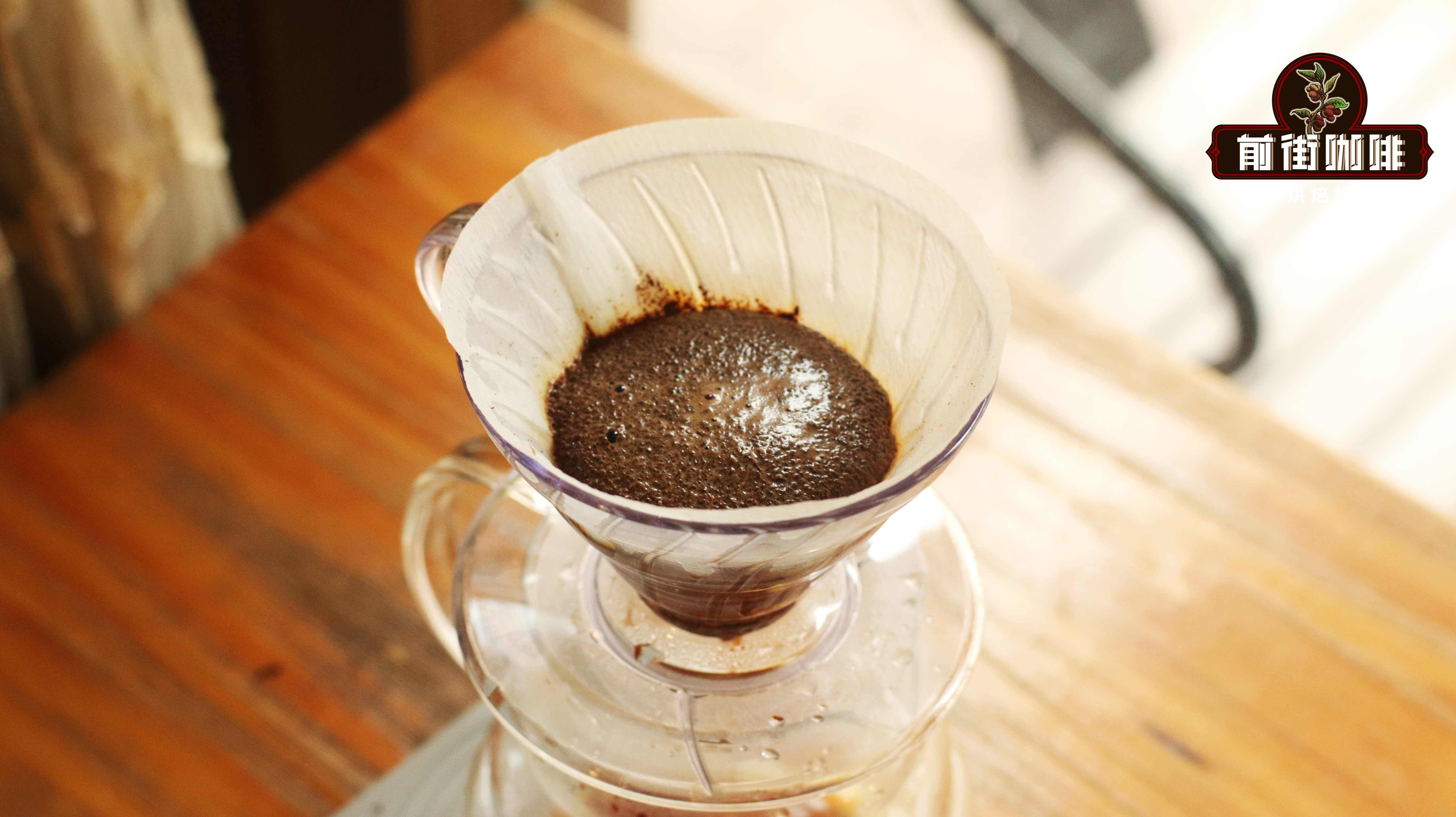
Does Clever Cup brewing require pre-infusion? A complete analysis from the principles of blooming to practical parameters
In the pour-over coffee process, blooming is almost an indispensable step, but when we switch to an immersion-style brewer like the Clever Cup, is it still necessary to keep this step? This article will start from the mechanism of blooming, and combine a comparative experiment using two beans—Front Street Coffee Ethiopia Yirgacheffe Red Cherry and PWN Golden Mandheling—to separately test the effects of blooming and direct pouring on the final flavor. Through detailed records of parameters such as grind size, water temperature, and coffee-to-water ratio, as well as a specific comparison of concentration and mouthfeel, we will help you understand what role blooming actually plays in immersion extraction and offer optimization suggestions worth trying. [more…]
Flavor Presentation of Yirgacheffe Brewed in a French Press and a Full Analysis of Home Coffee Extraction Methods
Enjoying a good cup of coffee at home—the choice of equipment often determines the direction of the flavor. This article systematically reviews the principles and characteristics of six common home coffee brewing methods, from drip brewers and American electric coffee machines to French presses, siphon brewers, moka pots, and espresso machines. It then focuses on the French press, using 20 grams of Front Street Yirgacheffe as an example, providing complete parameters and techniques from grind size, water temperature, and coffee-to-water ratio to the rhythm of immersion and stirring, ultimately presenting a thick, smooth mouthfeel with floral notes, citric acidity, creamy sugarcane sweetness, and a black tea finish, offering home coffee enthusiasts a reproducible practical reference. [more…]
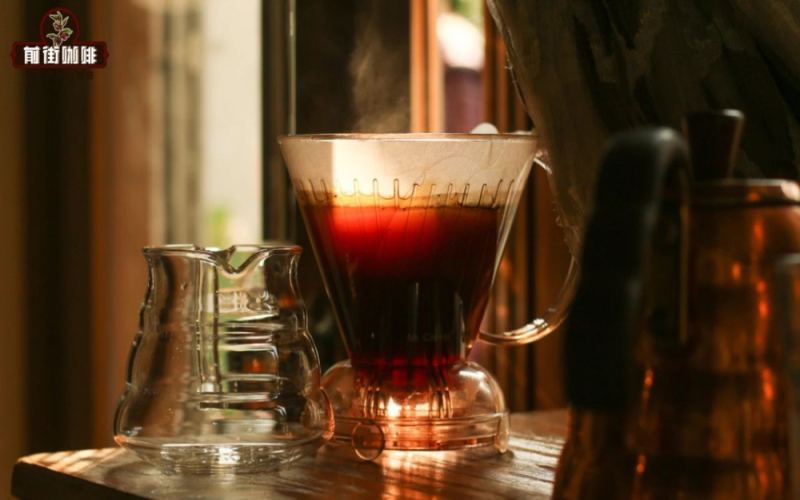
Comparison of Clever Dripper and French Press Brewing: Choosing Immersion-Style Coffee Gear and Analyzing Flavor Differences
Want to drink black coffee but don't want to fuss with a pile of pour-over gear? Immersion coffee brewers have therefore become the daily first choice for many enthusiasts, with the Clever Dripper and the French press being the most representative. Both complete extraction through immersion, with a low barrier to operation, yet the flavor direction in the final cup is vastly different. This article uses Front Street Kenya Asalia coffee beans as a sample and, under the premise that the dose, coffee-to-water ratio, grind size, water temperature, and immersion time are completely identical, conducts a brewing comparison between the Clever Dripper and the French press, breaking down one by one the device structure, operating process, and flavor presentation, and analyzing the extraction principles that cause the differences, finally giving purchasing and usage suggestions to help you make a suitable choice based on your preference for cleanliness and convenience. [more…]